Nutrition
How Much Protein Do You Need to Build Muscle?
Learn how protein supports muscle growth, how much active people may need, where to get it, and why the bigger training picture still matters.
If you are trying to build muscle, you have probably heard some version of:
You need more protein.
That is usually followed by a protein shake, a giant container of powder, or somebody online telling you that you need an extreme amount every day.
Protein absolutely matters.
But like most things in fitness, you do not need to make it more complicated than it needs to be.
Let's break down what protein actually does, how much active people may need, and how it fits into the bigger muscle-building picture.
Why Does Protein Matter for Building Muscle?
Protein is made up of amino acids.
Your body uses amino acids for many functions, including repairing and building body tissues.
Resistance training provides a stimulus that encourages your body to adapt.
Adequate nutrition - including protein - helps support that adaptation.
That is why training and nutrition need to work together.
You cannot replace resistance training with protein.
And you cannot completely ignore nutrition and expect your training to do everything.
How Much Protein Do Active People Need?
There is not one perfect number that applies to every person.
Body size, activity, goals, total calorie intake, training status, age, and other factors can affect individual needs.
A commonly cited sports-nutrition range from the International Society of Sports Nutrition for physically active people is approximately 1.4-2.0 grams of protein per kilogram of body weight per day.
That is a general sports-nutrition range - not an individualized prescription for every person who walks into a gym.
You do not need to immediately aim for the highest number just because more sounds better.
More Protein Does Not Automatically Mean More Muscle
This is important.
If protein supports muscle growth, it is easy to assume:
More protein = more muscle.
But muscle growth does not work that way.
Protein is one part of the process.
You still need:
- Productive resistance training
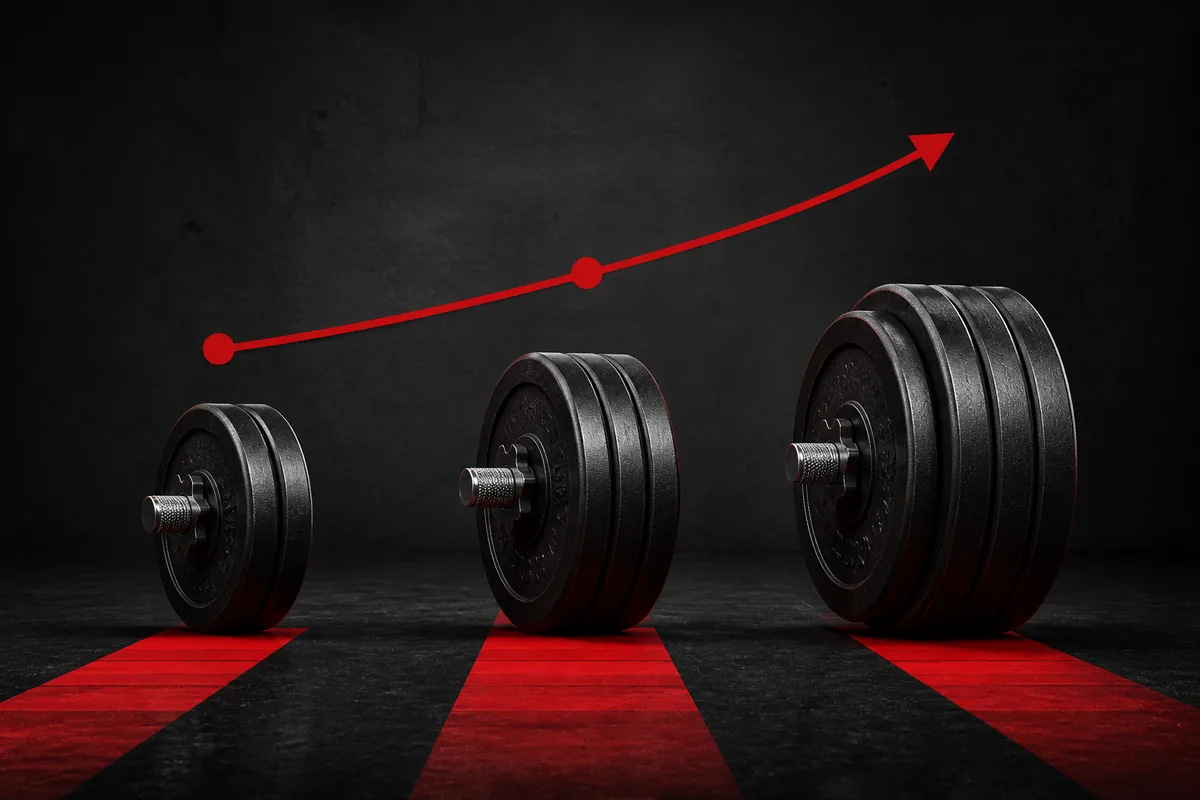
- Progressive overload
- Enough overall food
- Recovery
- Sleep
- Consistency
- Time
Eating huge amounts of protein while barely training will not magically create muscle.
Likewise, training hard while consistently failing to support your body with appropriate nutrition can make progress harder.
Think of muscle growth as a system.
Protein is an important piece - not the entire system.
Does Your Total Daily Protein Matter More Than Perfect Timing?
For most people, getting enough protein across the entire day is a bigger priority than stressing over an extremely narrow post-workout window.
Sports-nutrition research has emphasized total daily protein intake as an important factor while also recognizing that spreading protein intake throughout the day can be useful.
That means you do not need to finish your workout and sprint to your protein shake because you think your opportunity disappears in 20 minutes.
Have a plan for the whole day.
What Foods Have Protein?
You do not need to get all your protein from supplements.
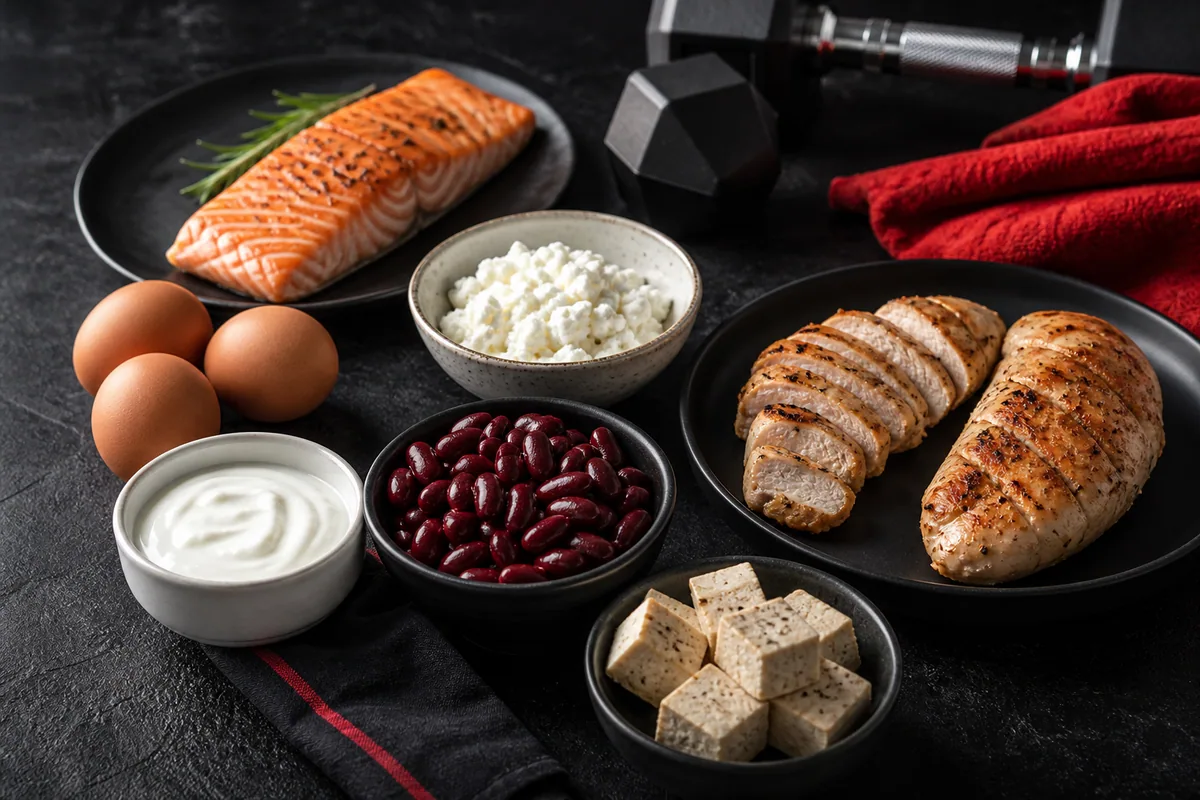
Protein can come from foods such as:
- Chicken
- Turkey
- Eggs
- Fish
- Lean beef
- Greek yogurt
- Cottage cheese
- Milk
- Beans
- Lentils
- Tofu
- Tempeh
- Other protein-rich foods
Different foods also provide different nutrients, so variety can be useful.
Do You Need Protein Powder?
No.
Protein powder is a convenience.
That is it.
If you can meet your nutrition needs through food, you do not have to use protein powder.
But if getting enough protein through your normal meals is difficult, a protein shake can be an easy way to add protein without preparing another full meal.
Think about protein powder as:
food convenience
rather than:
muscle-building magic.
Your body does not suddenly recognize protein as superior because it came from a shaker bottle.
How Should You Spread Protein Through the Day?
Rather than eating very little protein all day and trying to make up for everything at night, it can be practical to include a meaningful protein source in multiple meals.
For example:
Breakfast
Eggs, Greek yogurt, cottage cheese, milk, or another protein source.
Lunch
Chicken, turkey, beef, fish, beans, tofu, or another protein source.
Snack
Greek yogurt, cottage cheese, milk, eggs, or another convenient option.
Dinner
Another meal built around a quality protein source.
Your exact meals are up to you.
The point is building protein into your normal eating pattern instead of treating it like something that only matters immediately after training.
What If You Are Trying to Gain Weight and Muscle?
Protein still matters.
But so does your total energy intake.
If you are trying to gain weight but consistently eating less energy than your body uses, increasing body mass becomes difficult.
That is one reason someone can be training hard and still wonder why the scale never moves.
Read Why You're Working Out but Not Gaining Muscle.
That article covers training progression, nutrition, recovery, consistency, and other reasons muscle gain may stall.
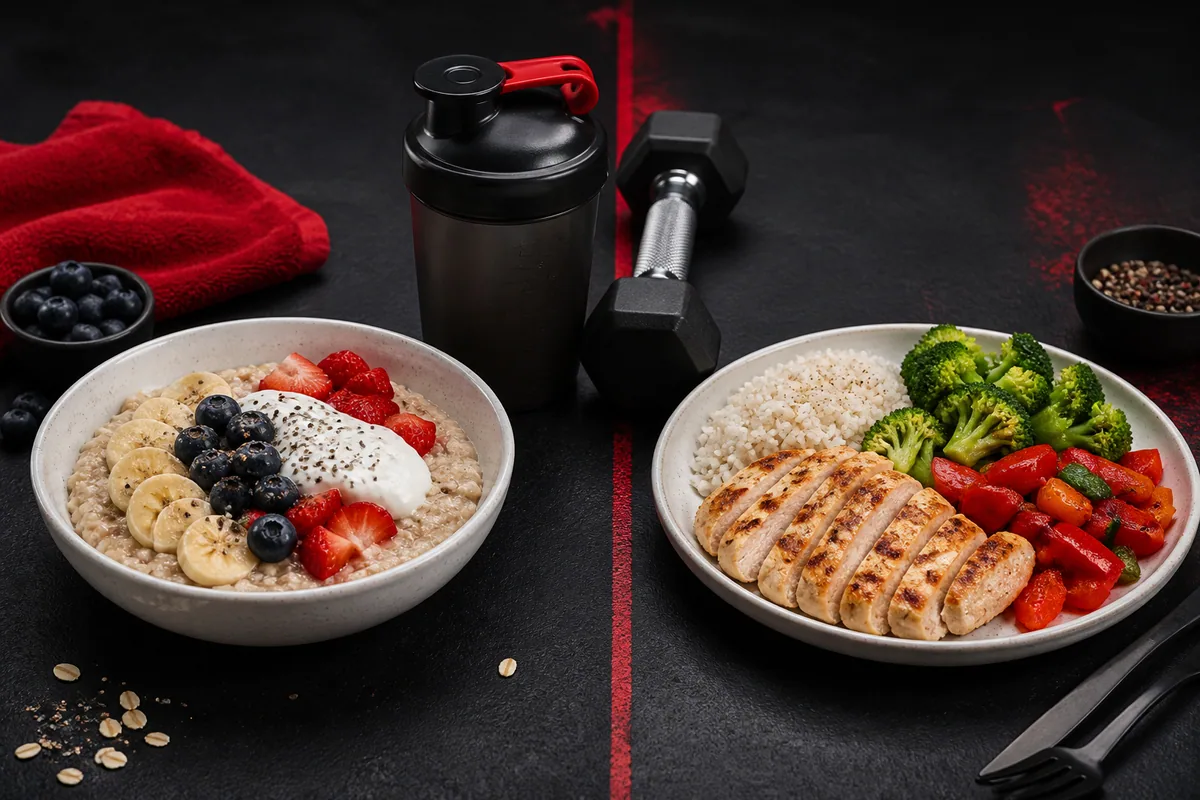
Does Protein Replace Carbohydrates?
No.
Protein and carbohydrates have different jobs.
Carbohydrates can be an important fuel source for exercise, while protein provides amino acids used in repair and remodeling.
You do not have to choose one or the other.
A balanced fitness diet can contain:
- Protein
- Carbohydrates
- Fats
- Fruits
- Vegetables
- Adequate fluids
The exact amounts depend on the individual and their goals.
What About Protein Before and After Your Workout?
Protein can be included around your workout.
But again, you do not need to make the timing obsessive.
If you ate a balanced meal containing protein before training, you already have nutrients being processed.
After training, another meal containing protein can support your overall daily intake and recovery.
Read What Should You Eat Before and After a Workout? for a practical breakdown.
How Do You Know Whether You Are Eating Enough Protein?
First, pay attention to what you actually eat.
Many people have no idea how much protein is in their normal diet.
You do not necessarily need to track food forever.
But temporarily paying attention to food portions or nutrition labels can help you understand where your protein is coming from.
Then look at the bigger picture:
- Are you training consistently?
- Are your workouts progressing?
- Is your overall nutrition supporting your goal?
- Are you recovering?
- Is your performance improving?
- Are you seeing progress over time?
Do not isolate protein from everything else.
Do Beginners Need to Obsess Over Macros?
No.
Some people enjoy tracking protein, carbohydrates, fats, and calories.
Other people hate it.
For a beginner, learning basic nutrition habits may be more useful than immediately trying to perfectly track every gram of food.
Start by understanding:
- What foods contain protein
- What your normal meals look like
- Whether you are eating consistently
- Whether your overall intake supports your goal
You can become more precise when there is a reason to.
Supplements Come After the Basics
It is easy to spend more time researching supplements than meals.
But supplements should not become a replacement for:
- Training
- Food
- Sleep
- Recovery
- Consistency
Build your foundation first.
Then decide whether a particular supplement is actually useful to you.
Building Muscle Is a Bigger Picture
Resistance training
Give your muscles a reason to adapt.
Progressive overload
Gradually increase the training challenge.
Adequate nutrition
Give your body the energy and nutrients it needs.
Protein
Include enough protein as part of your overall eating pattern.
Recovery
Give yourself time to adapt.
Consistency
Repeat the process long enough for it to work.
Protein is important.
It is just not magic.
Continue Learning
Read Why You're Working Out but Not Gaining Muscle and Progressive Overload Explained for Beginners.
If you are completely new to training, start with How to Start Working Out: A Beginner's Guide.
Sources & Further Reading
- International Society of Sports Nutrition Position Stand: Protein and Exercise, Journal of the International Society of Sports Nutrition
- The Effect of Protein Timing on Muscle Strength and Hypertrophy: A Meta-Analysis, Journal of the International Society of Sports Nutrition